CJS Group - Your E-Waste Partner
E-Waste Management: Smart Solutions for a Greener Future
- Protect the environment by responsibly managing e-waste.
- Enhance sustainability through effective recycling practices.
- Ensure compliance with local e-waste disposal regulations.
As technology progresses, e-waste accumulates rapidly. Efficient management is crucial for minimizing environmental harm and supporting sustainability efforts. At CJS Group, we are dedicated to offering advanced e-waste solutions that emphasize safety and operational efficiency.
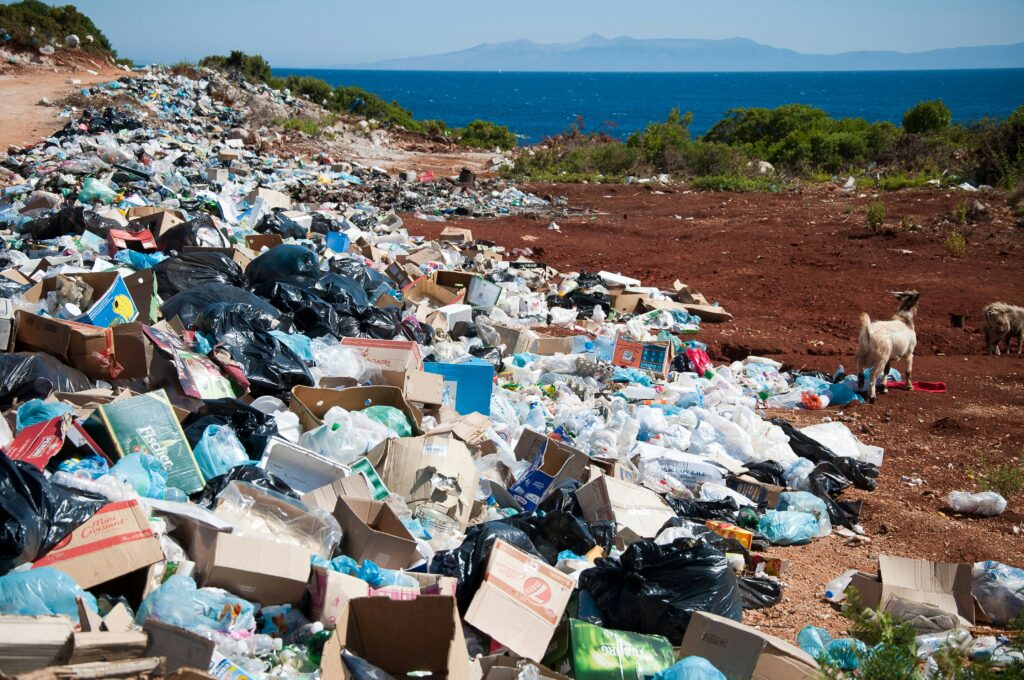
CJS E-Waste Recycling and Management. Solutions for a Sustainable Future!
CJS E-Waste Recycling and Management Solutions for a Sustainable Future Implementing Innovative Practices for Responsible Disposal and Environmental Stewardship to Promote a Healthier Planet
The proper recycling of e-waste is crucial for several reasons, encompassing environmental protection, resource conservation, and human health.
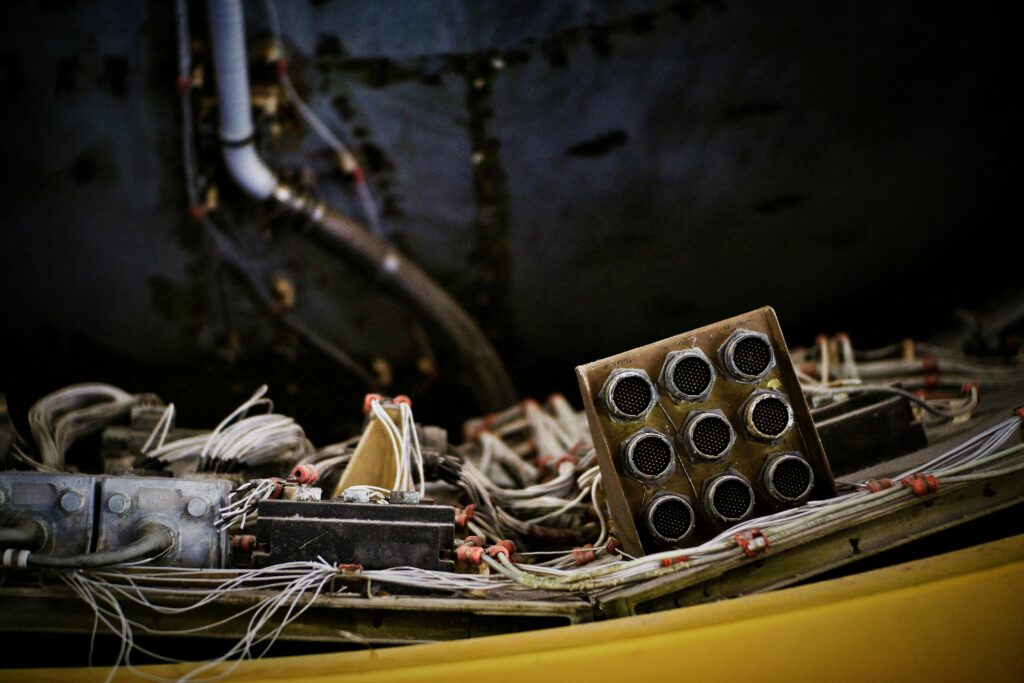
What is E-Waste And What Do We Do?
At CJS, we are dedicated to providing comprehensive e-waste recycling and management solutions that not only support the responsible disposal of electronic waste but also promote environmental stewardship for a sustainable future.
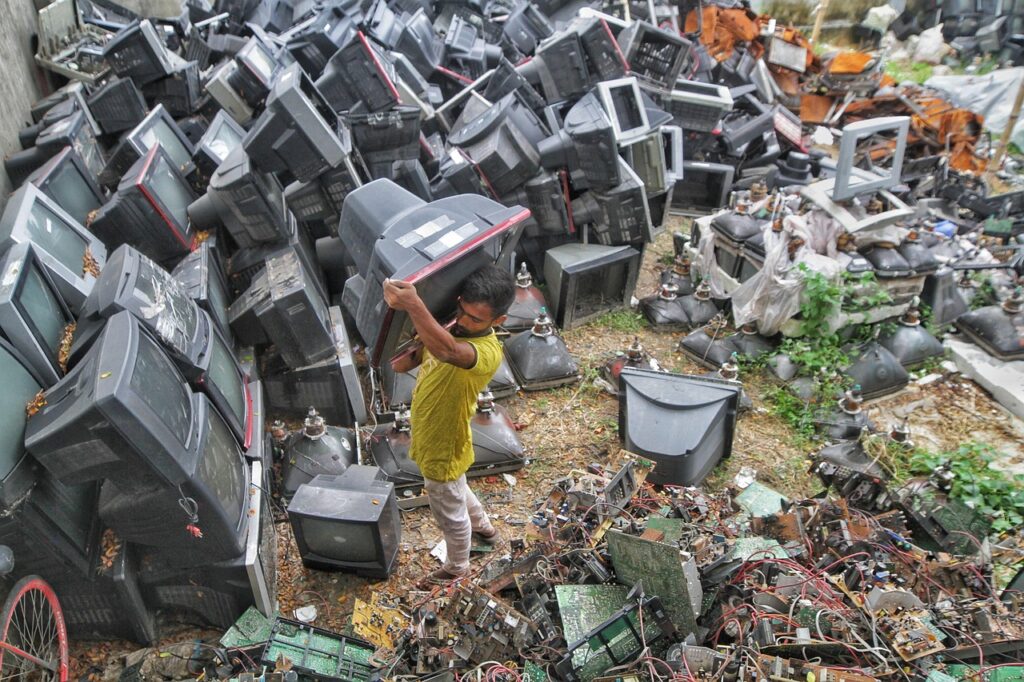
E-Waste
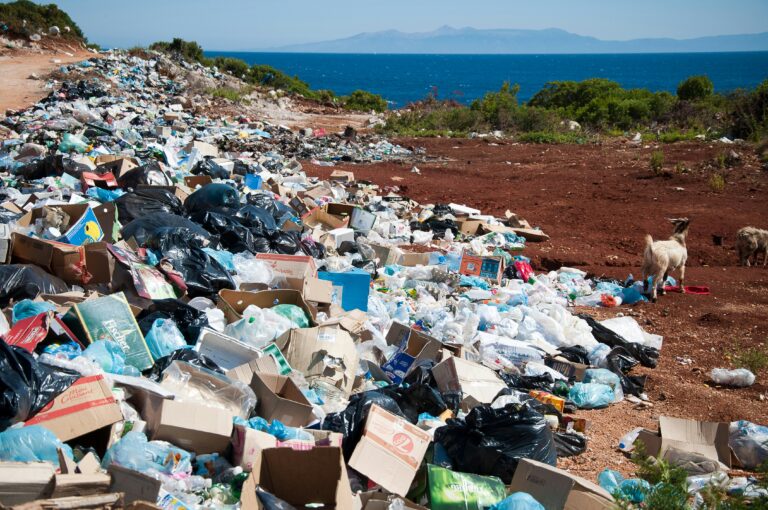
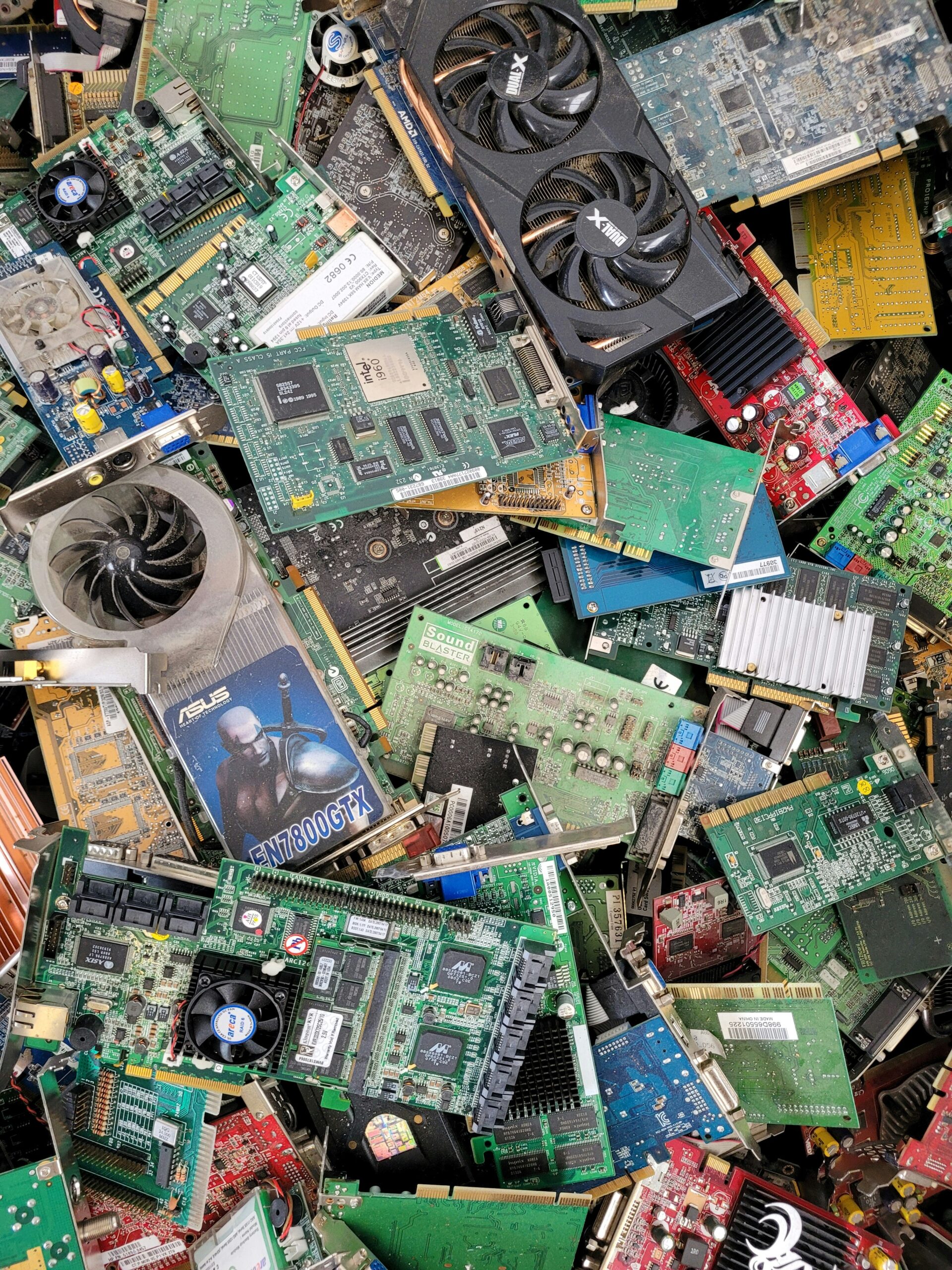
E-waste, short for electronic waste, encompasses discarded electrical or electronic devices. These devices, nearing the end of their functional life or deemed obsolete, contain hazardous materials that pose significant environmental and health risks if not properly managed. E-waste includes a vast array of items, from computers, smartphones, and televisions to refrigerators, washing machines, and other household appliances. The sheer volume of e-waste generated globally is rapidly increasing due to technological advancements and shorter product lifecycles, making its responsible handling a critical environmental concern
The Importance of E-Waste Recycling
- Environmental Protection: Disposing of e-waste in landfills or through incineration poses significant environmental risks. Hazardous substances present in e-waste can leach into the soil and groundwater, contaminating ecosystems and potentially entering the food chain. Incineration of e-waste releases toxic air pollutants, contributing to air pollution and respiratory problems.
- Resource Conservation: E-waste contains valuable and finite resources. Recycling e-waste allows for the recovery of these materials, reducing the need for mining virgin resources, which can be environmentally destructive and energy-intensive.
- Human Health: Exposure to hazardous substances in e-waste can pose serious health risks to workers involved in informal recycling operations and communities living near disposal sites. Proper recycling processes ensure the safe handling and processing of e-waste, minimizing exposure to these harmful substances.
Recycling
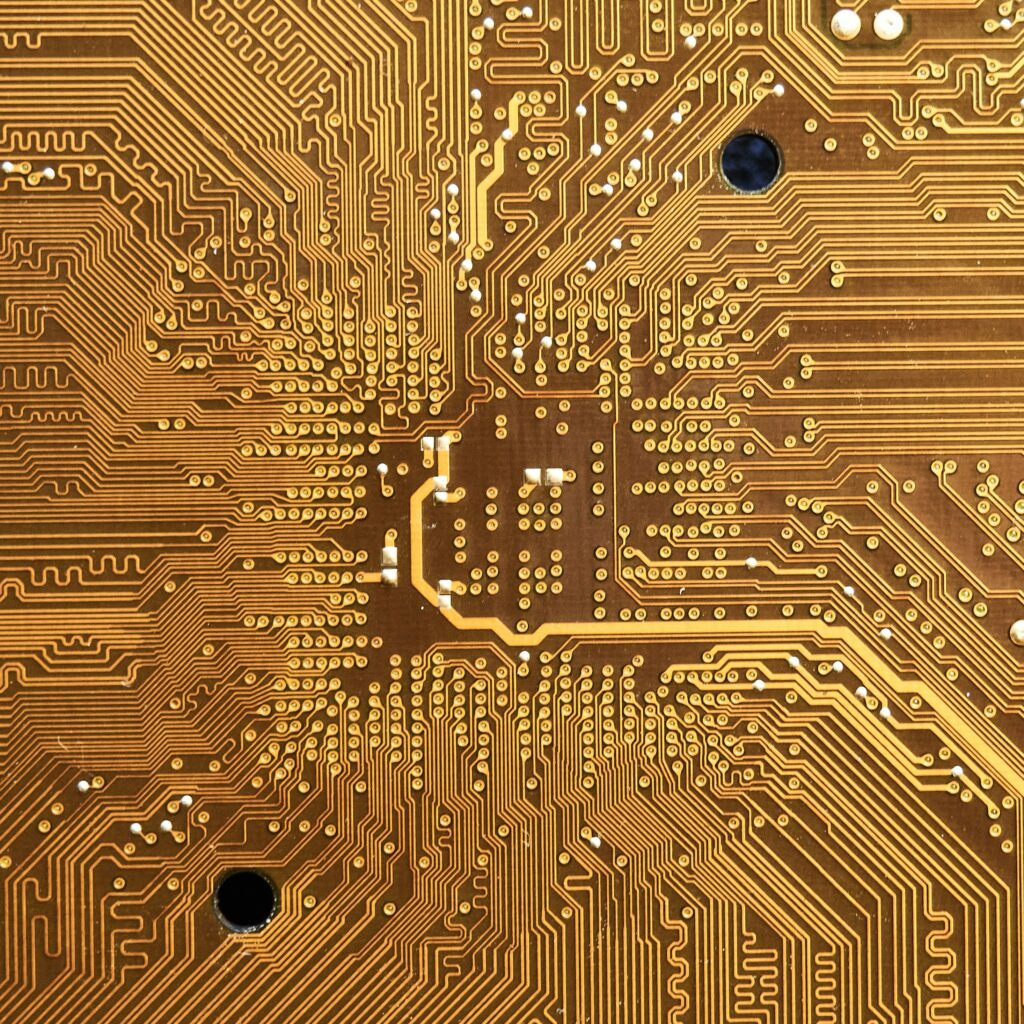
The recycling of e-waste is a complex process that involves dismantling, sorting, and processing electronic devices to recover valuable materials and safely dispose of hazardous components. The initial step often involves manually dismantling the devices to separate components like batteries, circuit boards, and plastics. These separated materials are then processed using various techniques. Metals like gold, silver, copper, and palladium are extracted from circuit boards through smelting or chemical leaching. Plastics are sorted by type and recycled into new products. Hazardous materials, such as lead, mercury, and cadmium, are carefully disposed of in specialized facilities to prevent environmental contamination.
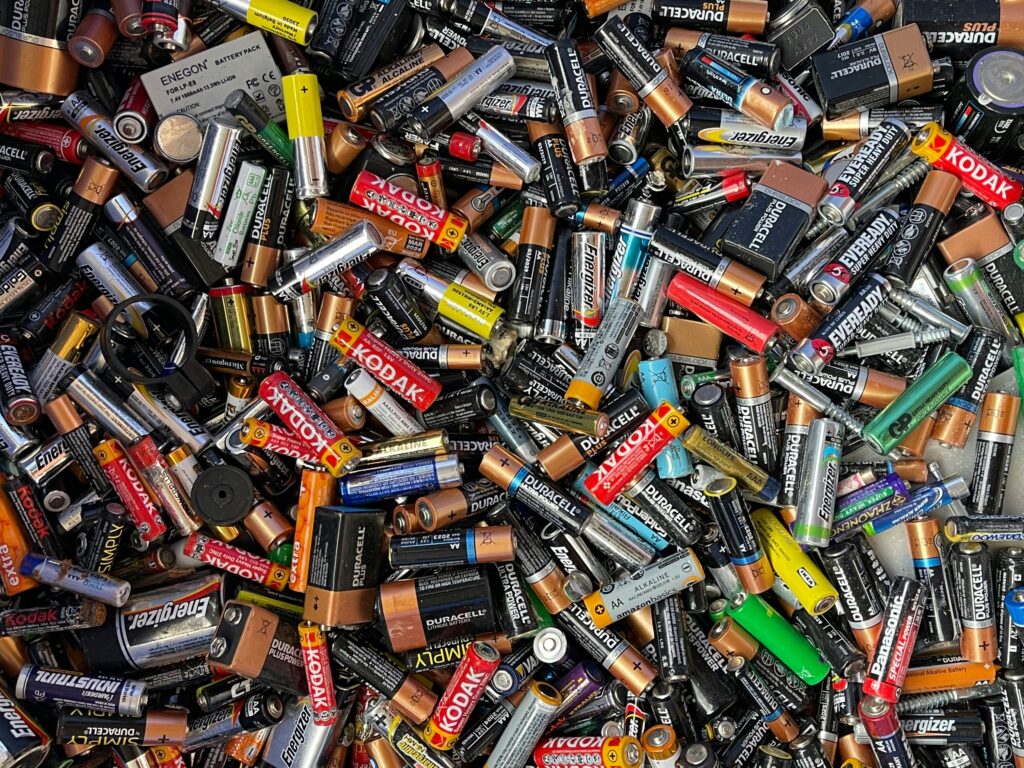
Effective e-waste recycling not only recovers valuable resources but also mitigates the environmental and health risks associated with improper disposal. By diverting e-waste from landfills, we can prevent harmful substances from leaching into the soil and water, protecting ecosystems and human health. Furthermore, recycling e-waste reduces the demand for virgin materials, conserving natural resources and minimizing the energy consumption associated with mining and manufacturing new products. The development and implementation of robust e-waste recycling programs are essential for promoting a circular economy and ensuring a sustainable future.
E-Waste Recycling Processes

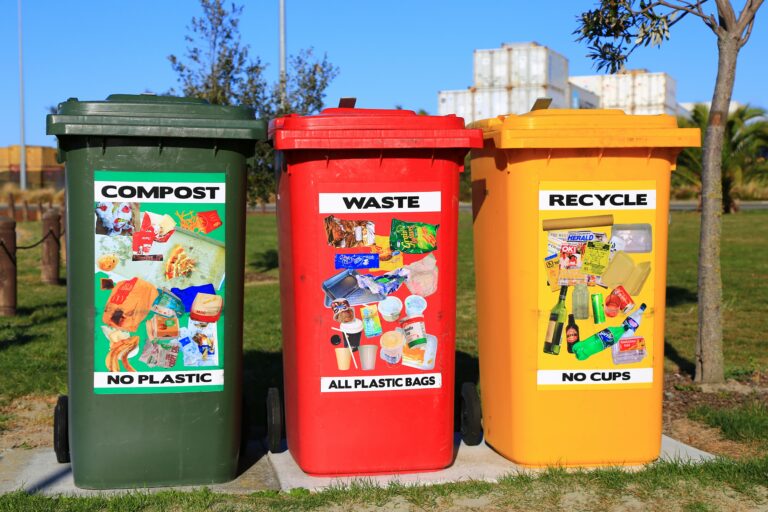
- Collection and Sorting: The first step involves collecting e-waste from various sources, such as households, businesses, and collection centers. The collected e-waste is then sorted based on type and material composition.
E-waste recycling involves a series of processes designed to separate and recover valuable materials while safely managing hazardous substances. The specific processes employed may vary depending on the type of e-waste and the available technology, but generally include the following steps:
2. Dismantling and Pre-processing: The sorted e-waste is dismantled to remove hazardous components, such as batteries, capacitors, and mercury-containing lamps. This step is crucial for preventing the release of these substances during subsequent processing.


3. Mechanical Processing: Mechanical processing involves shredding, crushing, and grinding the e-waste into smaller pieces. This process helps to liberate different materials and prepare them for further separation.

4. Material Separation: Various techniques are employed to separate different materials based on their physical and chemical properties. These techniques may include:
- Magnetic Separation: Used to separate ferrous metals (iron and steel) from non-ferrous materials.
- Eddy Current Separation: Used to separate non-ferrous metals like aluminum and copper.
- Density Separation: Used to separate materials based on their density, such as plastics from metals.
- Hand Sorting: In some cases, manual sorting is used to separate specific materials or components.
5. Hydrometallurgy and Pyrometallurgy: These processes are used to recover valuable metals from the separated materials.
- Hydrometallurgy: Involves using chemical solutions to leach out metals from the e-waste. The metals are then recovered from the solution through various techniques, such as electrolysis or precipitation.
- Pyrometallurgy: Involves using high temperatures to melt and separate metals. This process is often used to recover precious metals from circuit boards.

6. Refining and Purification: The recovered metals may undergo further refining and purification to meet specific quality standards before being used in new products.
7. Proper Disposal of Hazardous Waste: Any remaining hazardous waste that cannot be recycled is disposed of in an environmentally sound manner, such as through specialized treatment and disposal facilities.
In Conclusion: e-waste presents a significant environmental challenge due to its complex composition and the presence of hazardous substances. However, with proper recycling processes, e-waste can be transformed from a waste stream into a valuable resource. By understanding the composition of e-waste and the processes involved in its recycling, we can promote responsible e-waste management and contribute to a more sustainable future.
Defining E-Waste and its Composition
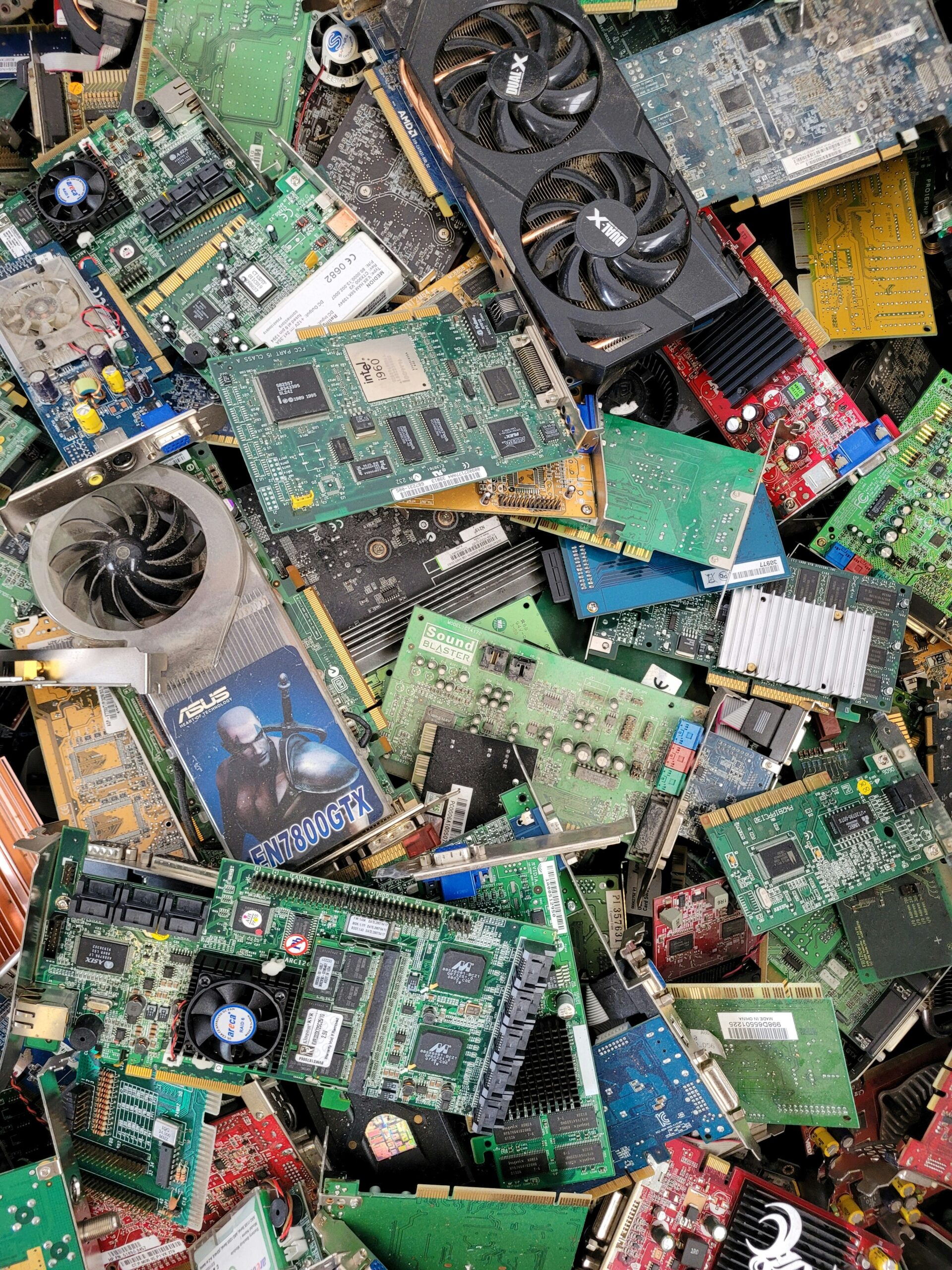
E-waste encompasses a wide array of discarded electrical and electronic equipment, ranging from large household appliances like refrigerators and washing machines to smaller devices such as computers, mobile phones, televisions, and electronic toys. Essentially, any electronic product that has reached its end-of-life or is deemed obsolete falls under the umbrella of e-waste.
The composition of e-waste is incredibly diverse and complex, varying significantly based on the type of device and its manufacturing date. However, some common materials consistently appear across different e-waste categories.
Glass
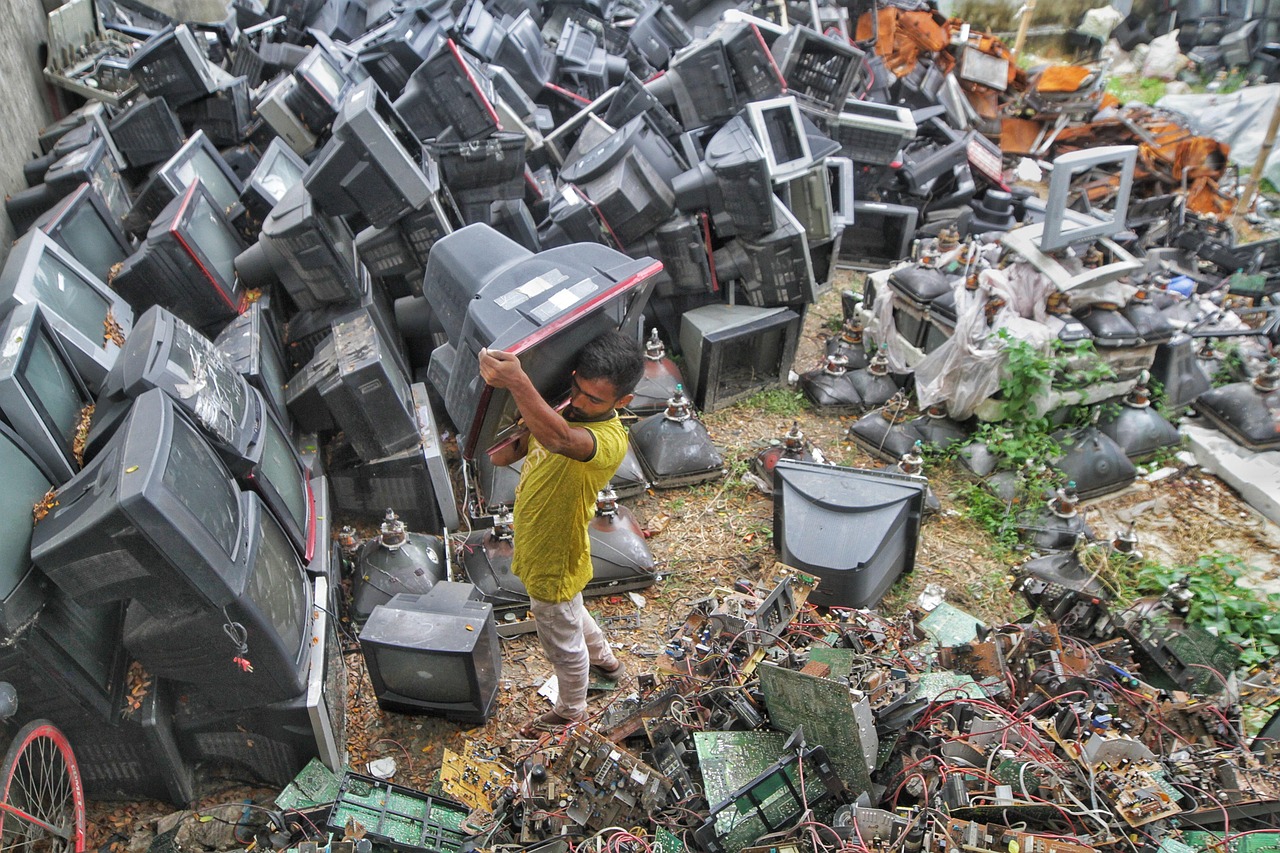
Cathode ray tubes (CRTs) found in older televisions and computer monitors contain significant amounts of leaded glass. Flat panel displays, such as LCD and LED screens, also contain glass, though the composition may differ.
Other Materials
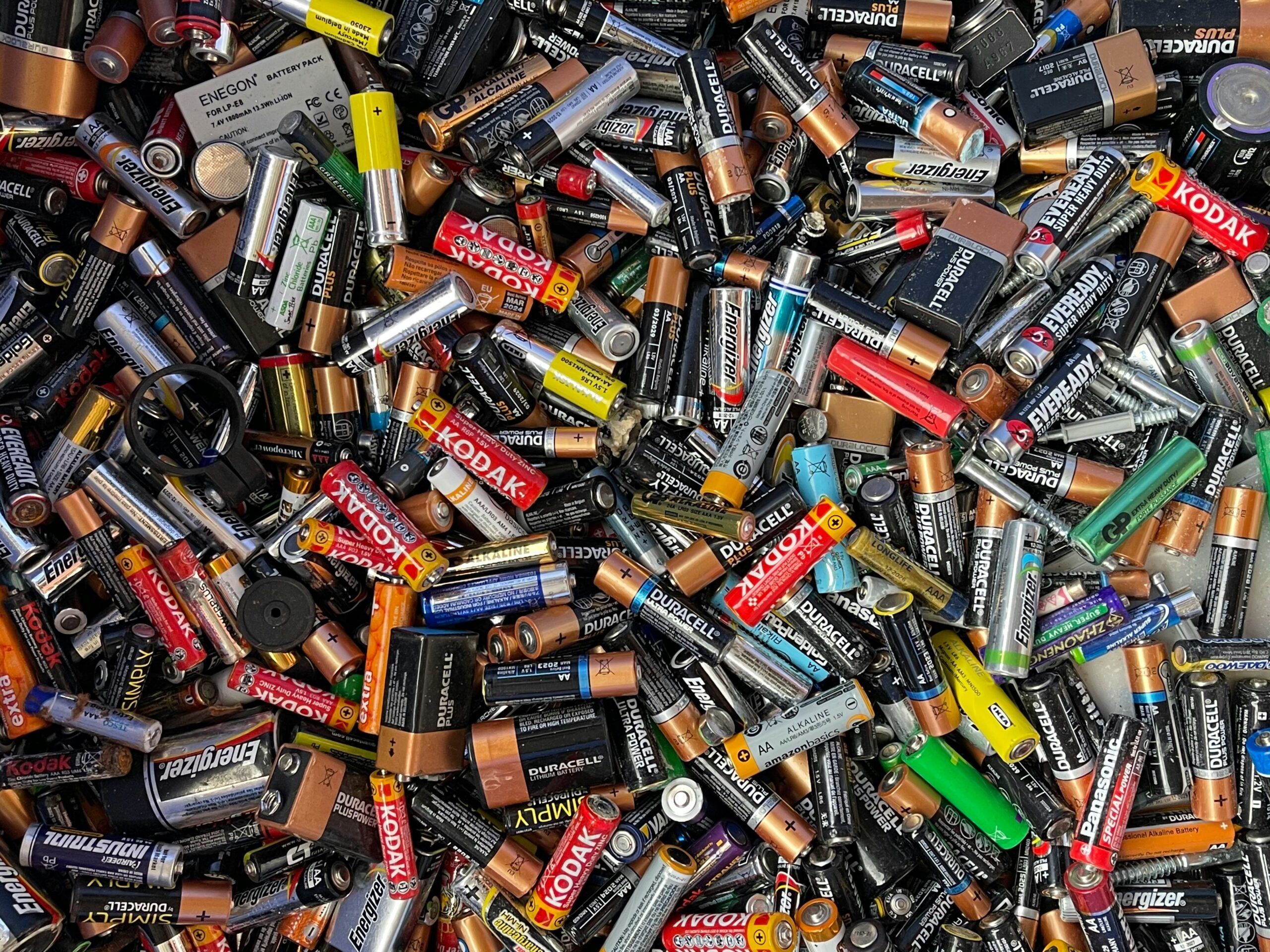
E-waste may also contain other materials like ceramics, rubber, and various chemicals. Furthermore, certain components, such as batteries and capacitors, may contain hazardous substances like mercury, cadmium, and lead.
Metals
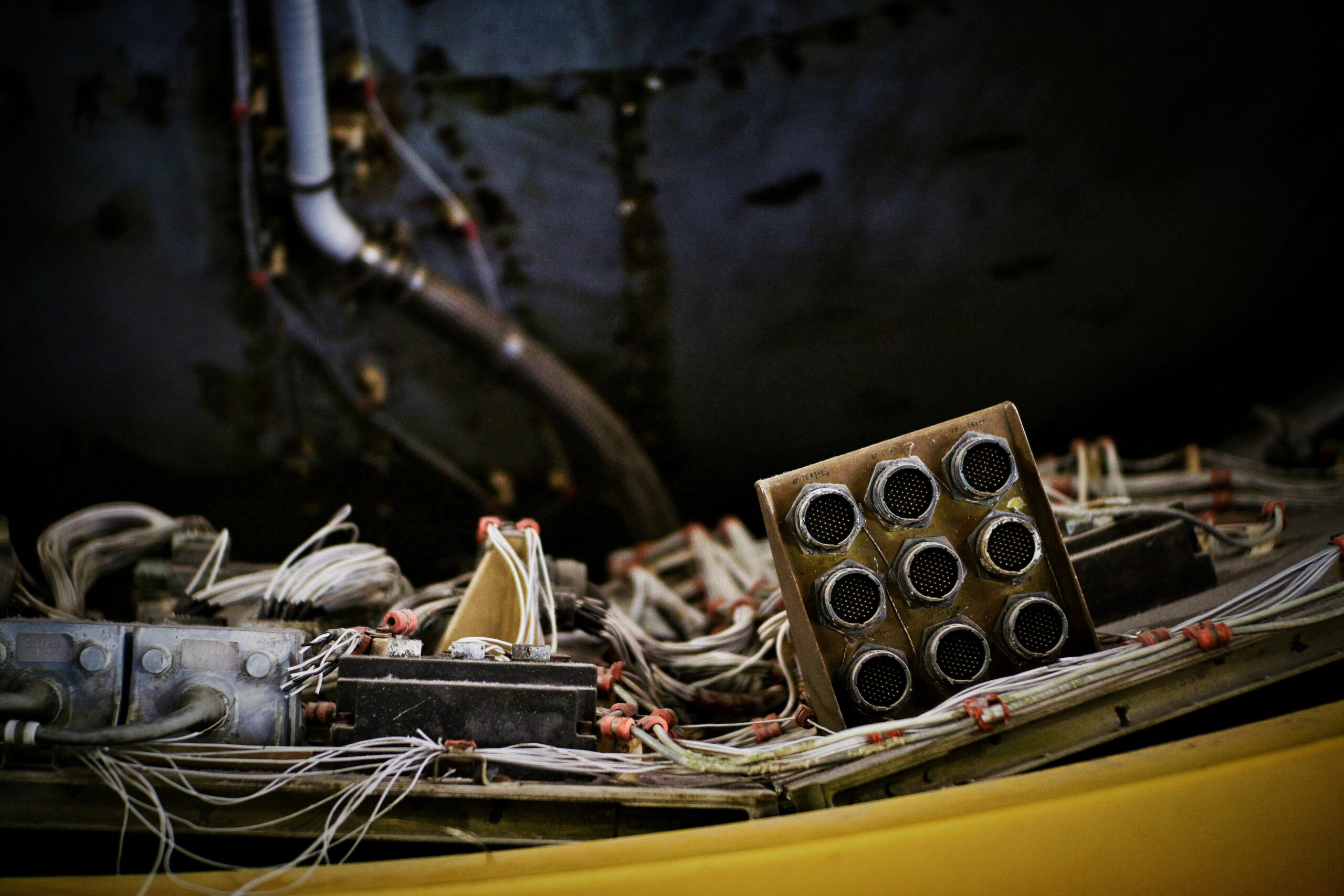
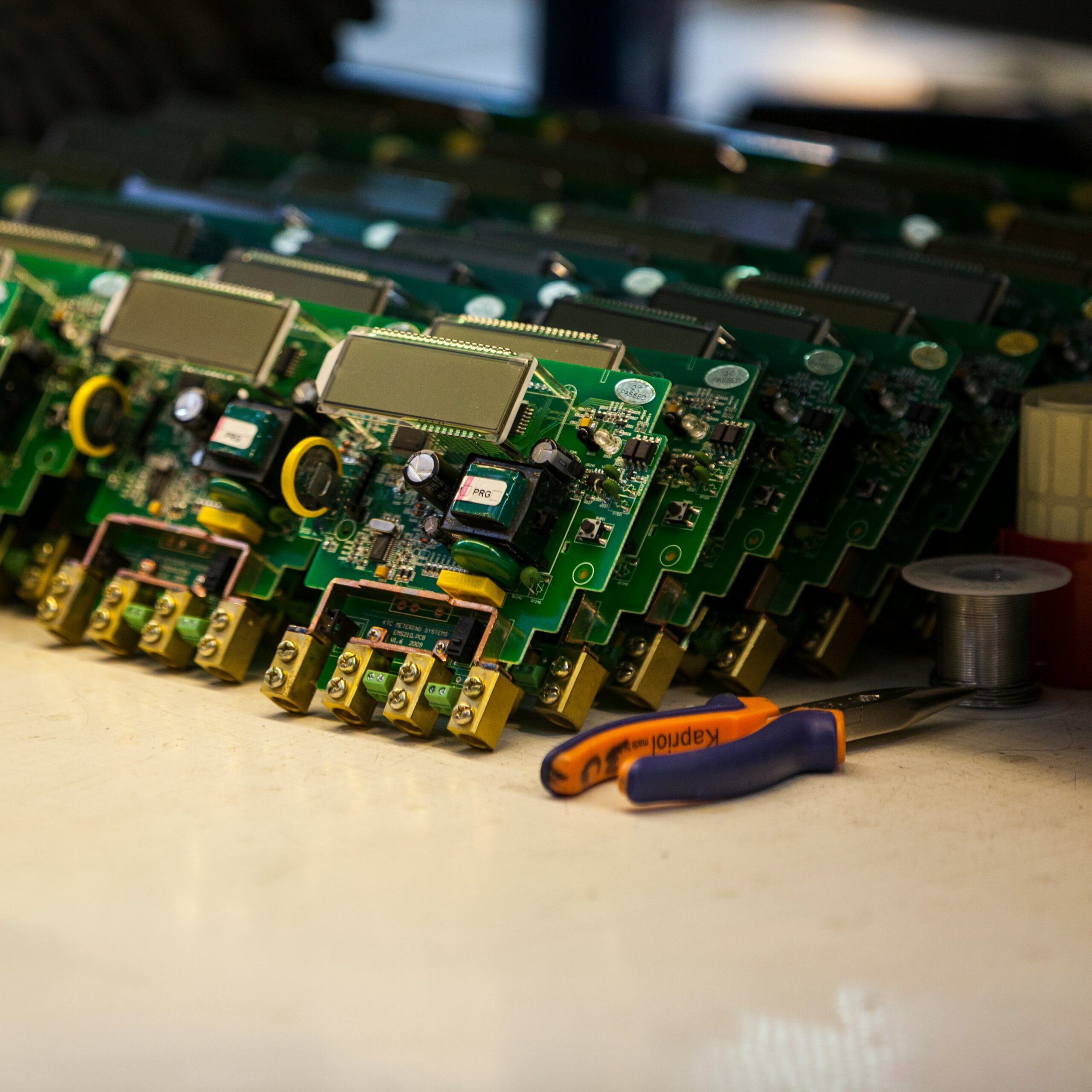
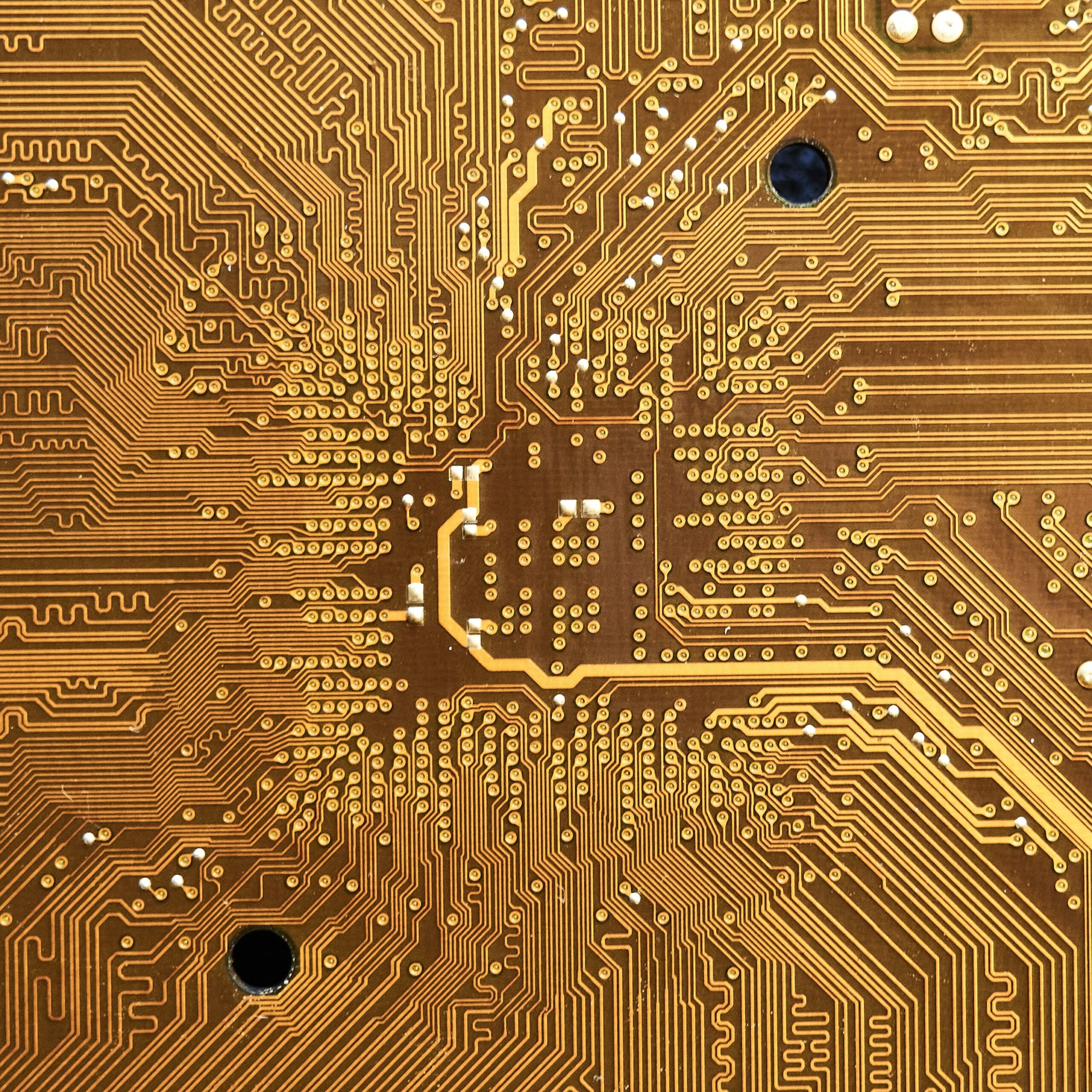
E-waste is a rich source of valuable metals, including precious metals like gold, silver, platinum, and palladium, as well as base metals like copper, aluminum, iron, and tin. These metals are used in various components, such as circuit boards, wiring, and connectors.
Plastics
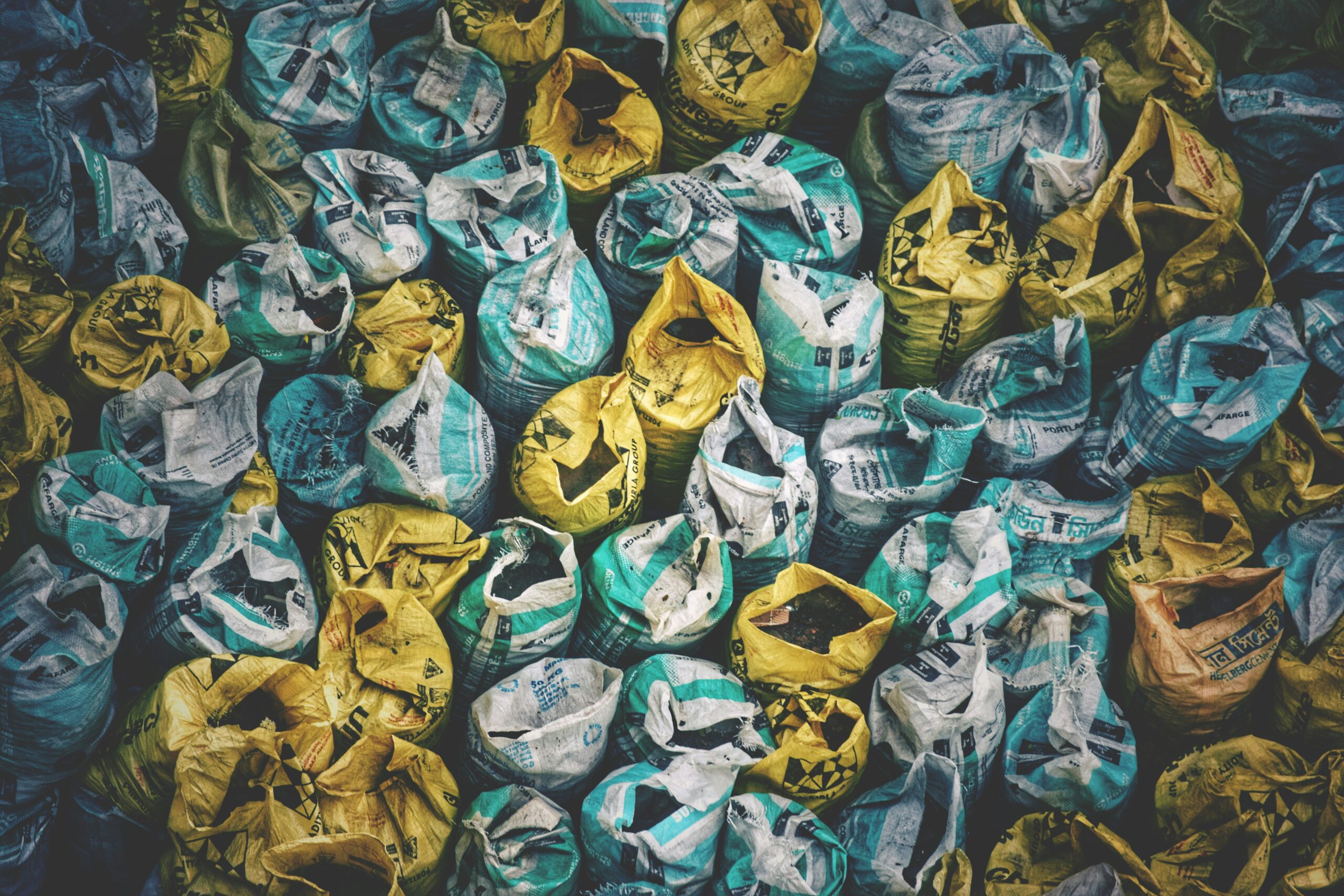
Plastics constitute a significant portion of e-waste, often making up the casing, housing, and insulation of electronic devices. Common plastics found in e-waste include PVC, ABS, polystyrene, and polycarbonate. These plastics can contain flame retardants, some of which are hazardous.




Data Destruction
Safeguarding Your Digital Legacy in a World of Everlasting Information
The Imperative of Impeccable Data Destruction: A CJS Perspective
In today’s hyper-connected digital landscape, data is the lifeblood of any organization. However, data’s lifecycle doesn’t end with its active use. When hardware reaches its end-of-life, or when sensitive information becomes obsolete, the secure and irreversible destruction of that data becomes paramount. Here at CJS, we understand that data security extends beyond protection during active use; it encompasses the complete and verifiable elimination of data to mitigate the risks associated with data breaches and non-compliance.
Understanding Data Destruction
Data destruction goes far beyond simply deleting files or formatting a hard drive. These methods often leave data remnants that can be recovered using readily available tools. True data destruction entails rendering data completely unreadable and unrecoverable, ensuring it can never be accessed or reconstructed by unauthorized parties.
Why is this so critical? Consider the potential consequences of inadequate data destruction
- Data Breaches: Recoverable data on discarded devices can be a goldmine for malicious actors, exposing sensitive customer information, financial records, intellectual property, and more.
- Compliance Violations: Regulatory frameworks like GDPR, HIPAA, and CCPA mandate stringent data protection measures, including secure data disposal. Failure to comply can result in hefty fines and reputational damage.
- Reputational Damage: A data breach resulting from improper data destruction can erode customer trust and severely impact an organization’s brand image.
CJS: Your Partner in Secure Data Destruction
At CJS, we offer comprehensive data destruction services designed to meet the diverse needs of our clients. We employ industry-leading techniques and adhere to the highest security standards to ensure the complete and verifiable elimination of your sensitive data.
Our Approach to Secure Data Destruction:
We provide a multi-faceted approach to data destruction, incorporating the following methods, each carefully selected based on your specific requirements and the nature of the data:
Data Erasure (Data Wiping): This software-based method overwrites existing data with a series of random characters, rendering it unreadable. We utilize specialized software that conforms to recognized international standards like NIST 800-88 and DoD 5220.22-M. Data erasure is a cost-effective solution for drives that are still functional and can be repurposed. We provide detailed reports verifying the successful erasure of each drive, providing a clear audit trail.
Degaussing: This method uses a powerful electromagnetic field to completely erase data from magnetic storage devices like hard drives and tapes. Degaussing renders the media unusable, making it ideal for highly sensitive data or damaged drives. We use certified degaussers that meet stringent performance standards, guaranteeing complete data elimination.
Physical Destruction (Shredding): For the ultimate in data security, we offer physical destruction services. This involves shredding hard drives, SSDs, and other media into tiny particles, ensuring that data is irretrievable. Our industrial-grade shredders are capable of handling a wide range of media types, and we provide certificates of destruction as proof of complete data elimination.
Choosing the Right Method for Your Needs
The optimal data destruction method depends on several factors, including:
- Data Sensitivity: Highly sensitive data, like financial records or personal health information, may warrant physical destruction.
- Media Type: Different storage media require different destruction techniques.
- Budget Constraints: Data erasure is generally a more cost-effective option than physical destruction.
- Regulatory Requirements: Compliance with specific regulations may dictate the required method.
Our team of experienced data security professionals will work closely with you to assess your specific needs and recommend the most appropriate and cost-effective data destruction solution.
The CJS Advantage: Security, Compliance, and Peace of Mind
When you choose CJS for your data destruction needs, you benefit from:
- Certified Professionals: Our team is comprised of certified data security experts with extensive experience in data destruction techniques and compliance requirements.
- Secure Chain of Custody: We maintain a strict chain of custody throughout the entire data destruction process, ensuring the security and integrity of your data.
- Detailed Reporting: We provide comprehensive reports documenting the data destruction process, including serial numbers, methods used, and verification results.
- Environmental Responsibility: We are committed to environmentally responsible data disposal practices, ensuring that all electronic waste is recycled in accordance with applicable regulations.
Protect Your Data, Protect Your Reputation
Secure data destruction is not simply a best practice; it’s a necessity. Failing to properly dispose of sensitive data can expose your organization to significant risks. CJS offers a comprehensive suite of data destruction services designed to mitigate these risks and ensure compliance with regulatory requirements. Contact us today to learn more about how we can help you protect your data, your reputation, and your bottom line. Let CJS be your trusted partner in secure and compliant data destruction.
Data Destruction Certificates
In the e-waste industry, the handling and disposal of electronic waste are critical aspects that require strict compliance with regulations and standards. One essential component in this process is data destruction, which involves the secure and irreversible deletion of sensitive information stored in electronic devices. This is where a data destruction certificate from CJS comes into play.
CJS is a leading provider of data destruction services, offering a range of solutions to ensure the secure disposal of electronic waste. A data destruction certificate is a document that verifies that the data destruction process has been carried out in accordance with industry standards and regulations. It provides evidence that the sensitive data stored in electronic devices has been destroyed beyond recovery, protecting the privacy and security of individuals and organizations.
So, why is a data destruction certificate needed in the e-waste industry?
Here are some key reasons
- Compliance with Regulations: Electronic waste contains sensitive information that must be handled and disposed of in compliance with regulations such as the Data Protection Act, the General Data Protection Regulation (GDPR), and the Health Insurance Portability and Accountability Act (HIPAA). A data destruction certificate from CJS serves as proof that the data destruction process has been carried out in accordance with these regulations, protecting organizations from potential fines and legal action.
- Protection of Sensitive Data: Electronic devices such as computers, laptops, and smartphones often contain sensitive information such as personal data, financial information, and confidential business data. A data destruction certificate from CJS provides evidence that this data has been destroyed, protecting individuals and organizations from data breaches and identity theft.
- Environmental Sustainability: E-waste is a significant environmental problem, with millions of tons of electronic waste generated each year. A data destruction certificate from CJS ensures that electronic waste is disposed of in an environmentally sustainable way, reducing the impact of e-waste on the environment.
- Brand Reputation: Data breaches and environmental damage can have a significant impact on an organization’s brand reputation. A data destruction certificate from CJS helps organizations protect their brand reputation by demonstrating their commitment to data security and environmental sustainability.
- Accountability: A data destruction certificate from CJS provides a clear record of the data destruction process, ensuring accountability and transparency. It provides evidence that the data destruction process has been carried out by a reputable and trusted provider, giving organizations peace of mind and confidence in the security of their data.
In summary
A data destruction certificate from CJS is an essential component in the e-waste industry. It provides evidence that the data destruction process has been carried out in compliance with regulations, protects sensitive data, promotes environmental sustainability, protects brand reputation, and ensures accountability. By choosing CJS for data destruction services, organizations can rest assured that their electronic waste is being disposed of in a secure, environmentally sustainable, and transparent way.